
Email Us
info@pumpkingmech.com
2013Year
We're Award Winning Company
-

ISO Certification
-

QA/QC standard
-

CE Mark
-

IQNet mark
coal slurry pump
Industry Trends and the Evolution of Slurry Pumping The industrial landscape, particularly within sectors such as power generation, mining, and metallurgy, is increasingly dependent on robust and efficient solutions for handling abrasive and corrosive slurries. A critical component in these operations is the ash slurry pump . These specialized pumps are engineered to transport high-density mixtures of solids and liquids, such as fly ash and bottom ash from coal combustion, mineral concentrates, and tailings, with minimal wear and maximum operational uptime. Current industry trends are driving a demand for pumps that offer not only superior performance but also enhanced energy efficiency, extended service life, and reduced maintenance costs. There is a significant shift towards smart pumping solutions incorporating IoT for predictive maintenance and condition monitoring, alongside advancements in material science for improved wear resistance. Environmental regulations are also pushing for more sustainable and leak-proof designs. The ASD Slurry Pump, designed as a direct replacement for legacy SRC/SRH models, embodies these advancements, offering a modern, high-performance solution for demanding slurry transport applications. The Advanced Manufacturing Process of Ash Slurry Pumps The production of a high-performance ash slurry pump like the ASD series involves a sophisticated multi-stage manufacturing process, meticulously designed to ensure durability, efficiency, and adherence to stringent quality standards. This process leverages advanced engineering and material science. Key Stages in Manufacturing: Design and Engineering: Utilizing state-of-the-art CAD/CAE software, pump hydraulics and mechanical components are optimized for specific slurry characteristics and operational demands, focusing on energy efficiency and wear life. Material Selection: Critical pump components, such as impellers and liners, are cast from highly abrasion-resistant materials. For metal parts, high-chromium alloy (e.g., A05, A07, A49) is predominantly used due to its exceptional hardness and resistance to erosive wear. For rubber-lined pumps, natural rubber, neoprene, or other synthetic elastomers are selected based on the slurry's corrosive properties and particle size. Casting and Forging: High-chromium alloy components undergo precision casting in controlled environments, followed by specialized heat treatment processes to achieve optimal metallurgical structures and hardness (e.g., 60-65 HRC for A05). Forging techniques are employed for shafts and other high-stress components to enhance strength and fatigue resistance. CNC Machining: Post-casting or forging, components are subjected to advanced CNC machining to achieve tight dimensional tolerances and critical surface finishes, ensuring perfect fit and hydraulic performance. Assembly: Skilled technicians meticulously assemble the pump, paying close attention to bearing housing, shaft alignment, and seal installation. Quality Control & Testing: Each pump undergoes rigorous testing against international standards such as ISO 9906 (for hydraulic performance), ANSI/HI (Hydraulic Institute Standards), and ASTM (for material specifications). This includes hydrostatic pressure tests, performance curve verification, vibration analysis, and noise level assessment to ensure reliability and specified performance parameters. The typical service life of an ash slurry pump is significantly influenced by the quality of its components and the precision of its manufacturing. High-grade materials and strict process controls ensure a lifespan that can often exceed competitor offerings, reducing the total cost of ownership for end-users. Target industries for these robust pumps include petrochemical, metallurgy, power generation (especially for fly ash and bottom ash handling), mining, and heavy industrial water supply and drainage systems. Figure 1: Robust construction of an ash slurry pump, optimized for heavy-duty applications. Technical Specifications of the ASD Slurry Pump The ASD (ASH Slurry Duty) Slurry Pump is engineered for high efficiency and extended wear life in aggressive slurry applications. As a direct replacement for traditional src pump and SRH models, it integrates advanced hydraulic design with superior material technology to deliver unparalleled performance. Key Technical Parameters (Typical Range): Parameter Value/Range Description Capacity (Q) Up to 5400 m³/h (23770 GPM) Volumetric flow rate of slurry. Head (H) Up to 90 m (295 ft) Vertical distance the pump can lift the slurry. Speed (N) Up to 2900 rpm Rotational speed of the impeller. Max. Solid Size Up to 100 mm (4 inches) Maximum allowable particle size in the slurry. Efficiency Up to 85% Hydraulic efficiency, indicative of energy consumption. Power (P) Up to 1200 kW (1600 HP) Required motor power for operation. Material Options High Chromium Alloy (A05, A07, A49), Natural Rubber, Synthetic Elastomers Wear and corrosion-resistant materials for wetted parts. Seal Options Gland Packing, Mechanical Seal, Expeller Seal Ensures containment and prevents leakage. These specifications highlight the ASD Slurry Pump's capability to handle a wide range of challenging slurries, from fine ash to coarse mineral particles. Its design focuses on maximizing operational uptime and minimizing the total cost of ownership through robust construction and high-efficiency hydraulics, typical of leading slurry pump types. Versatile Application Scenarios & Proven Experience The robust design and material versatility of the ASD ash slurry pump make it indispensable across a multitude of heavy industrial applications where abrasive and corrosive slurries are routinely processed. Our extensive experience has shown consistent reliability and performance in the most demanding environments. Power Generation (Thermal Power Plants): Critical for handling fly ash, bottom ash, and flue gas desulfurization (FGD) scrubber slurries. The pumps effectively transport these highly abrasive and often corrosive by-products to disposal sites or for further processing, ensuring continuous plant operation. Mining and Mineral Processing: Employed in concentrator plants for transporting mineral concentrates, tailings, and process water containing abrasive solids. From iron ore to gold and diamond mines, the ASD pump withstands the harshest conditions, minimizing wear and maximizing recovery rates. Metallurgical Industries: Used for handling slag, mill scale, and various chemical slurries generated during metal refining and processing. Its chemical resistance and wear properties are crucial in preventing premature pump failure. Dredging and Sand & Gravel: Essential for moving sand, gravel, and silt mixtures over long distances, crucial for waterway maintenance, land reclamation, and construction aggregate production. Chemical Processing: For aggressive chemical slurries, where both abrasion and corrosion are concerns. Specialized elastomer liners or high-alloy metal components can be specified. Customer feedback consistently highlights the ASD series' extended service intervals and reduced power consumption compared to older pump designs, affirming its position as a high-value investment. Our engineers work closely with clients to understand specific operational challenges, offering tailored solutions that enhance process efficiency and system reliability. Technical Advantages of the ASD Slurry Pump Series The ASD slurry pump offers a suite of technical advantages that differentiate it from standard industrial pumps and older-generation models like the src pump , leading to superior operational efficiency and reduced total cost of ownership. Advanced Hydraulic Design: Our pumps feature optimized hydraulic passages and impeller geometry, which minimize turbulence and enhance flow efficiency. This translates directly into lower energy consumption per unit of slurry transported, yielding significant operational savings over the pump’s lifespan. Superior Wear-Resistant Materials: Wetted parts are available in a range of highly engineered materials, including high-chromium alloys (e.g., A05, A49) for extreme abrasion and specially formulated elastomers for corrosive or fine-particle slurries. These materials dramatically extend wear life, reducing the frequency of parts replacement and associated downtime. Modular and Robust Construction: The ASD series employs a heavy-duty, modular design. This not only simplifies assembly and disassembly for maintenance but also ensures structural integrity under continuous, heavy-duty operation. Key components like the bearing assembly are oversized to handle high loads and provide exceptional reliability. Flexible Shaft Seal Options: To cater to diverse application requirements and prevent leakage, a variety of shaft sealing arrangements are available, including expeller seals (centrifugal seal), mechanical seals, and packed gland seals (both low-flow and full-flow configurations). This flexibility allows for optimal sealing in various operating conditions. Easy Maintenance and Interchangeability: The wet-end parts are designed to be easily replaceable, and many components are interchangeable across different pump sizes within the series, simplifying inventory management and speeding up maintenance tasks. Excellent Suction Performance (NPSHr): Optimized impeller and casing designs result in lower Net Positive Suction Head Required (NPSHr), reducing the risk of cavitation and ensuring stable operation even with challenging suction conditions. These advantages collectively ensure that the ASD ash slurry pump delivers maximum uptime, superior performance, and a lower total cost of ownership for industrial operations. Vendor Comparison: ASD Slurry Pump vs. Legacy Models When selecting a slurry pump , a direct comparison of modern solutions against older designs or less optimized alternatives is crucial. The ASD Slurry Pump is specifically engineered to outperform and replace many legacy models, including the widely used SRC/SRH pump series, offering significant advancements in critical areas. Comparison Table: ASD Slurry Pump vs. Legacy SRC/SRH Pumps Feature ASD Slurry Pump Legacy SRC/SRH Pump Hydraulic Efficiency Up to 85% (Advanced Design) Typically 70-75% (Older Design) Wear Life of Wetted Parts Extended (Optimized materials and geometry) Standard (Less optimized materials) Material Range Wide selection of high-chrome alloys (A05, A07, A49) & elastomers More limited, primarily A05 Maintenance Ease Modular design, quick-change wet-ends More complex, longer downtime Energy Consumption Lower (Due to higher efficiency) Higher (Due to lower efficiency) Compatibility Direct fit replacement for SRC/SRH models Original equipment (older generation) This comparison underscores the investment value of opting for a modern ash slurry pump like the ASD series. While the initial procurement cost might be comparable, the long-term operational savings through reduced energy consumption, extended component life, and minimized maintenance downtime translate into a significantly lower total cost of ownership. The ASD pump’s design specifically addresses the shortcomings of older slurry pump types , providing a more reliable and economical solution for today's industrial challenges. Customized Solutions for Unique Operational Needs Recognizing that every industrial application presents unique challenges, Kingmech Pump offers highly customized solutions for the ASD ash slurry pump series. Our engineering team specializes in tailoring pump configurations to precisely match specific slurry characteristics, operational parameters, and environmental conditions. Customization options include: Material Selection: Based on detailed analysis of slurry pH, particle size, concentration, and corrosiveness, we recommend and implement specific high-chrome alloys, natural rubbers, or synthetic elastomers (e.g., Hypalon, Viton) to maximize wear life and chemical resistance. Hydraulic Modifications: Impeller design (e.g., vane count, outlet angle) and casing geometry can be fine-tuned to achieve specific head and flow requirements at optimal efficiency, often enhancing performance beyond standard curves. Sealing Arrangements: Beyond standard options, specialized mechanical seals for zero leakage, or custom gland packing arrangements for highly abrasive or high-temperature slurries, can be designed and integrated. Drive Configurations: Custom motor sizes, variable frequency drives (VFDs), and transmission types (direct drive, V-belt drive) are selected and optimized for energy efficiency and operational flexibility. Ancillary Equipment: Integration with monitoring systems, lubrication systems, and specialized base plates for severe vibrations or seismic activity are also part of our custom offerings. Our approach involves a comprehensive engineering consultation, site assessment, and detailed fluid dynamics analysis to ensure the customized solution delivers peak performance and reliability, ensuring the most effective slurry pump for the job. Application Case Studies: Proving Grounds for ASD Slurry Pumps Real-world applications best demonstrate the superior capabilities of the ASD ash slurry pump . The following case studies illustrate how our pumps deliver significant operational improvements and cost savings in challenging environments. Case Study 1: Coal-Fired Power Plant Ash Handling Client: Major Asian Power Utility Challenge: The plant was experiencing frequent failures (every 3-4 months) of their existing src pump units due to severe abrasion from high-concentration bottom ash slurry (40% solids by weight, D50 ~1mm). This led to significant downtime and high maintenance costs. Solution: We recommended replacing two existing 8/6E-G pumps with ASD-150E, specified with A05 high-chromium alloy wet-end parts and an optimized impeller design for the specific slurry. Results: After 18 months of continuous operation, the ASD pumps exhibited minimal wear. Wear life of wetted parts increased by over 400%, extending maintenance intervals from quarterly to annually. Energy consumption was reduced by an average of 12% due to improved hydraulic efficiency, resulting in annual savings of approximately $75,000 per pump. Case Study 2: Mineral Concentration Plant Tailings Management Client: Large-Scale Copper Mining Operation, South America Challenge: Transporting highly abrasive copper tailings (35% solids, D50 ~250 microns) over long distances to a tailings dam. The previous pumps were struggling with head requirements and experiencing impeller and liner failures every 6 months. Solution: Implemented a series of ASD-200F pumps, configured with A49 high-corrosion, high-abrasion chrome alloy for the wetted components, along with a custom hydraulic profile to optimize head and flow for the pipeline. Results: The ASD pumps successfully met the challenging head requirements with a 15% increase in throughput. Wear life increased by 250%, reducing parts replacement cycles from bi-annual to once every 18-20 months. The improved efficiency also led to a measurable reduction in power consumption across the pump train. Trust & Support: Ensuring Operational Excellence At Kingmech Pump, we are committed to building long-term partnerships based on trust, reliability, and unparalleled customer support for every ash slurry pump we deliver. Frequently Asked Questions (FAQ) Q: How do I select the correct ASD Slurry Pump for my application? A: Our experienced engineers conduct a detailed analysis of your slurry properties (density, viscosity, particle size, pH), flow rate, head requirements, and operational environment. We then recommend the optimal pump size, material configuration, and sealing arrangement to ensure peak performance and longevity. Q: What makes the ASD series a superior replacement for src pump models? A: The ASD series incorporates advanced hydraulic designs and metallurgy, leading to higher efficiency, extended wear life, and easier maintenance compared to older SRC/SRH designs. It is designed for direct interchangeability with many existing SRC/SRH installations, minimizing retrofitting costs. Q: What maintenance is required for the ASD slurry pump ? A: Routine maintenance includes checking bearing lubrication, shaft seal integrity, and visual inspection for wear. Our modular design facilitates quick replacement of wetted parts. We provide comprehensive maintenance manuals and offer training programs. Lead Time & Fulfillment Standard ASD Slurry Pump models typically have a lead time of 4-6 weeks, depending on component availability and customization requirements. Urgent orders or critical spares can be expedited through our robust supply chain and manufacturing capabilities. We work closely with clients to manage project timelines effectively. Warranty Commitments All ASD Slurry Pumps are backed by a standard 12-month warranty from the date of commissioning or 18 months from the date of shipment, whichever comes first. This warranty covers manufacturing defects and material failures under normal operating conditions. Extended warranty options are available upon request. Customer Support & After-Sales Service Our commitment extends beyond delivery. We offer comprehensive after-sales support including: Technical Assistance: 24/7 technical hotline and online support for troubleshooting and operational queries. Spare Parts Management: Readily available genuine spare parts for all ASD models, ensuring minimal downtime during maintenance. On-Site Service: Experienced service technicians available for installation supervision, commissioning, routine maintenance, and emergency repairs. Training Programs: Customized training for client personnel on pump operation, maintenance, and troubleshooting. Conclusion The ASD ash slurry pump represents the pinnacle of modern slurry pumping technology, offering an unparalleled combination of efficiency, durability, and adaptability. Engineered to meet the rigorous demands of industries dealing with abrasive and corrosive slurries, it stands as a superior replacement for legacy systems, delivering substantial reductions in operational costs and maximizing uptime. With robust manufacturing, comprehensive technical support, and flexible customization options, the ASD series ensures that your slurry transport challenges are met with reliable, high-performance solutions. Authoritative References ISO 9906: Rotodynamic pumps - Hydraulic performance acceptance tests - Grades 1, 2 and 3. International Organization for Standardization. Hydraulic Institute Standards. ANSI/HI 1.1-1.6-2021 for Centrifugal Pumps. Hydraulic Institute. ASTM G65: Standard Test Method for Measuring Abrasion Using the Dry Sand/Rubber Wheel Apparatus. ASTM International. Metals Handbook, Vol. 1: Properties and Selection: Irons, Steels, and High-Performance Alloys. ASM International.
20+
Business
Experience
Experience
-
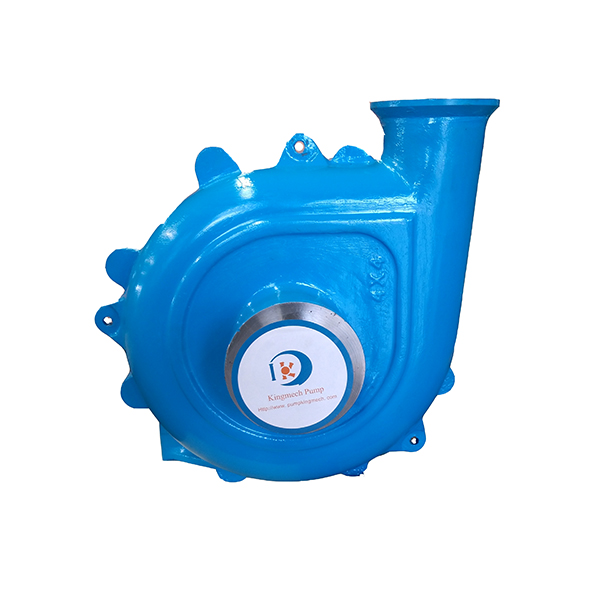 Navigating the Demands of Abrasive Fluid Handling In various heavy industries, the efficient and reliable transfer of highly abrasive slurries is a critical challenge. These slurries, often containing high concentrations of solid particles, pose significant wear and tear risks to conventional pumping equipment, leading to frequent downtime, high maintenance costs, and reduced operational efficienc
 -
 reduces hydraulic losses
 -
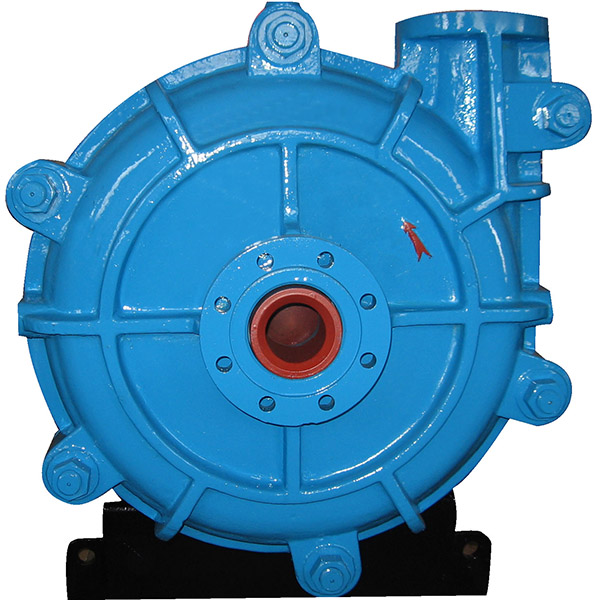
In the world of industrial pumping, the vertical spindle slurry pump stands as a crucial workhorse, especially when it comes to handling abrasive and viscous slurries. At the heart of its reliable operation lies the bearing configuration, which significantly impacts the pump's performance, durability, and maintenance requirements. Hebei Xiangmai Pump Industry Co., Ltd., established in 2013, has be
Our Advantage
Your Slurry Solutions Partner
-
01Systematic Quality AssuranceWe have a strict quality inspection process and strictly control every link in the production process.
-
02On-schedule DeliveryWe have mature manufacuring lines and strategic inventory managment to ensure on-schedule delivery of validated solutions.
-
03Technical TeamWe have 10+ specialized engineers deploying expertise across pump design, prototyping and testing.
-
04Customized ServicesOur products include 10+ series of slurry pumps, featuring 100+ varieties and 1000+ models to meet the diverse customized needs.
-
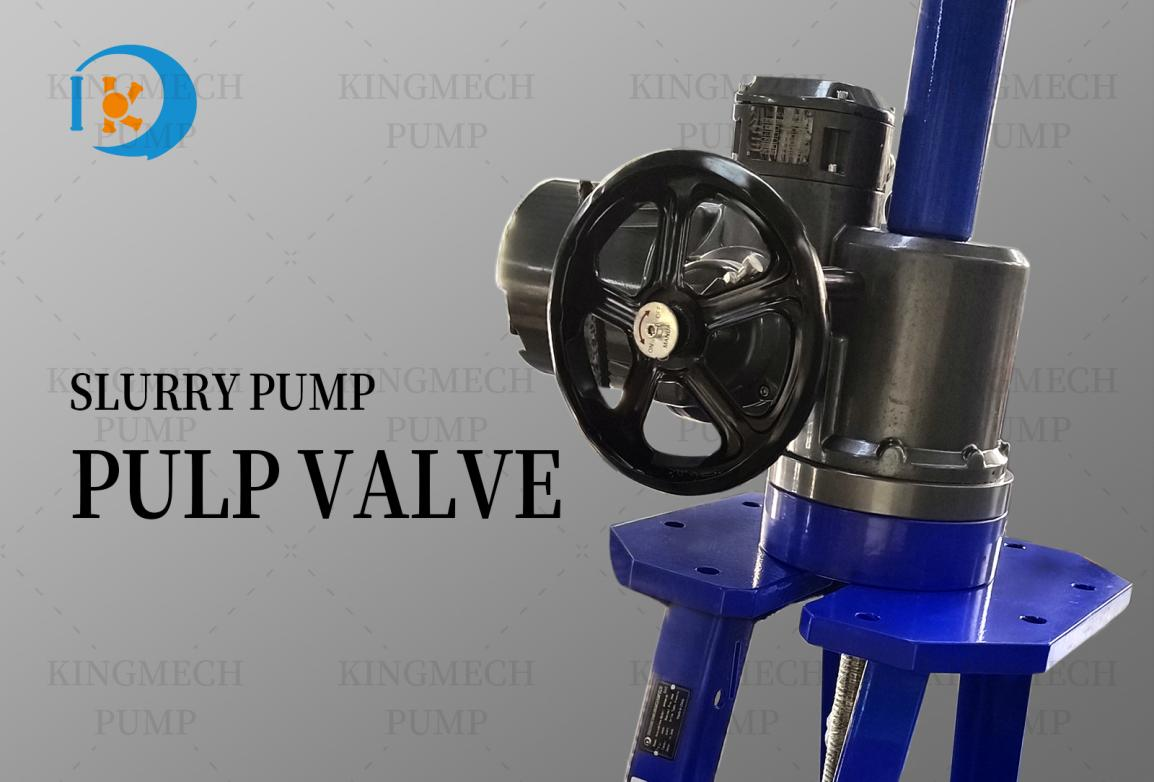 The pulp valve is a non-packing knife gate valve, sealed by a synthetic rubber sleeve in the valve chamber. Elastic bushings can be replaced on site.
 -
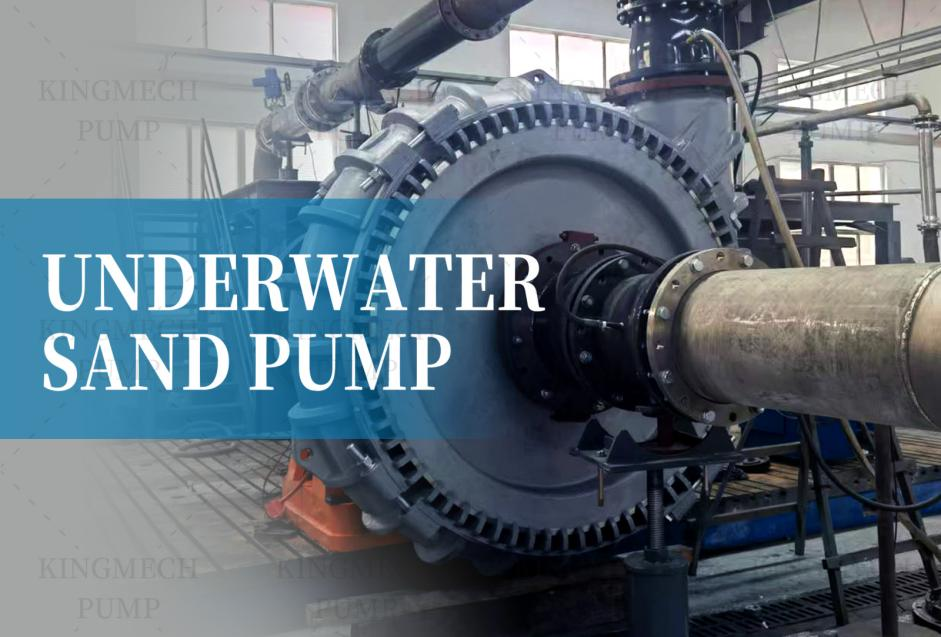 The underwater sand dredging pump 450/400HOL-DGHD adopts a new bearing assembly seal independently designed and developed by the company.
 -
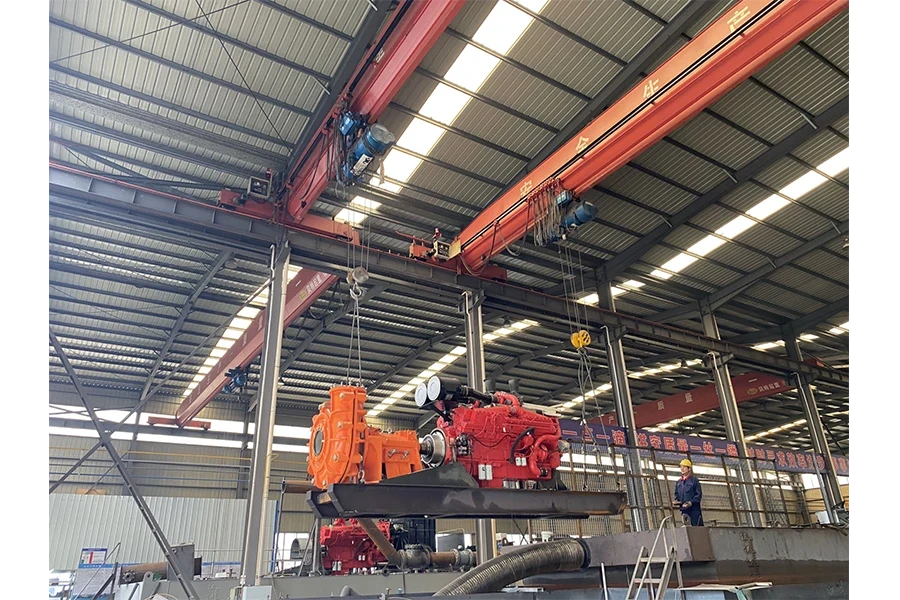 A dewatering pump is specifically designed to remove water from construction sites, mines, tunnels, basements, and other areas where unwanted water accumulation can hinder operations or cause structural damage.
-
 Industrial Manufacturing Solutions
 -
 Metallurgy and Mining Applications
 -
 Energy and Oilfield Equipment
 -
 Chemical Processing Systems
DISTRIBUTED COUNTRIES
Where we Service
Our members are spread across 89 countries. We look forward to working hand in hand with more partners to create a bright future together.

USA
Chile
Argentina
Australia
Indonesla
Philippines
Singapore
Singapore
UK
Portugal
Yekaterinburg
South Africa
Finland
st. petersburg
Viernam
Laos
siberia
Russia
-
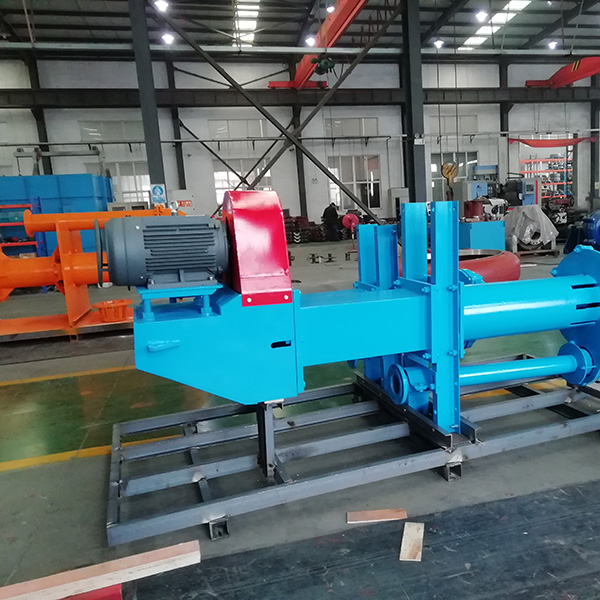 2026-04-02 13:25GHD High Head Slurry Pump - Hebei Xiangmai Pump Co., Ltd._Heavy Duty, Abrasive Slurry HandlingThe GHD Grease Lubrication High Head Slurry Pump represents the pinnacle of engineering innovation i
 -
 2026-04-02 13:18High-Efficiency Cyclone Pump for Chemical and Feeder ApplicationsUnlocking the Future of cyclone pump Solutions The contemporary demand for robust and high-efficienc
 -
2026-04-02 12:18Enamel Cast Iron Cookware Set - Hebei Xiangmai Pump Co._Non-Stick,Rust-ResistantDiscover the perfect blend of timeless craftsmanship and modern convenience with the Enamel Cast Iro


